
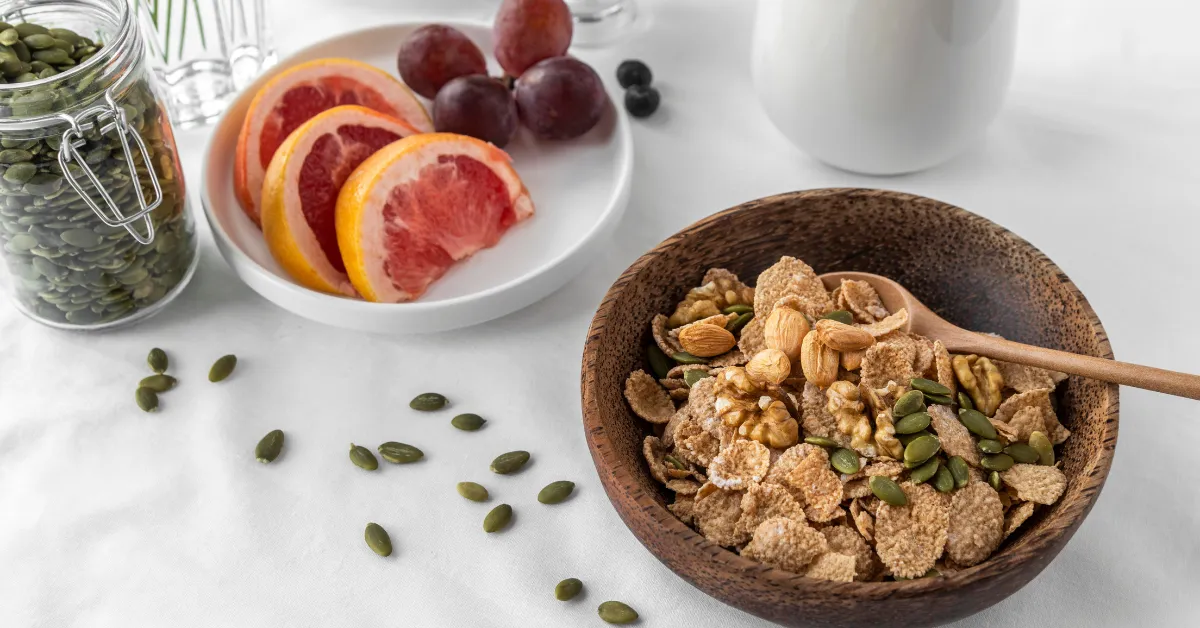
Understanding the Role of Fiber in Metabolic Wellness
When it comes to supporting your body’s natural rhythms, small daily habits often create the biggest long-term impact. One of the most overlooked — yet powerful — nutritional strategies is fiber intake. While many people associate fiber with digestion alone, research increasingly shows that fiber plays a much deeper role in metabolic communication, appetite awareness, and hormone balance.
At the center of this connection is GLP-1 (glucagon-like peptide-1), a naturally occurring hormone involved in appetite regulation and glucose metabolism. Supporting your body’s natural GLP-1 function doesn’t always require complexity. In fact, it often begins with foundational nutrition — particularly a diverse, fiber-rich diet.
Understanding how fiber and GLP-1 interact can help you make simple, informed food choices that align with long-term wellness goals. Rather than focusing on restriction, this approach emphasizes nourishment, rhythm, and gut support.
The Connection Between Fiber and GLP-1
Fiber and GLP-1 work hand-in-hand. According to a PubMed study on dietary fiber fermentation and gut hormones, certain soluble fibers stimulate bacteria in the gut, leading to increased GLP-1 release.
When your diet includes enough fiber—especially soluble fiber from oats, beans, or chia seeds—your gut communicates more efficiently with your natural GLP-1 activity. This promotes a feeling of fullness and helps stabilize appetite patterns.
Another NCBI article highlights that high-fiber diets enhance beneficial gut microbiota, improving GLP-1’s natural signaling across the gut-brain axis.
For more foundational knowledge, explore YEVO Society for resources on dietary habits that support metabolic rhythm.
Top Fiber-Rich Foods to Add Daily
Adding fiber doesn’t need to be complicated—start with a few nutrient-rich favorites.
Top foods to boost GLP-1 naturally:
- Oats – contain beta-glucan that slows digestion and prolongs fullness
- Legumes – lentils, beans, chickpeas
- Berries – raspberries, blackberries, and pears for natural sweetness
- Vegetables – carrots, sweet potatoes, and leafy greens
- Seeds – chia, flaxseed, psyllium husk
For recipe inspiration using fiber-rich whole foods, see YEVO Society’s Gut-Friendly Meal Plan.
Simple Ways to Increase Fiber Intake
Building healthier fiber habits can fit into any lifestyle:
- Start your day with a high-fiber breakfast – oatmeal, chia pudding, or whole grain toast
- Add legumes to your salads, soups, or grain bowls
- Snack on fruit and nuts instead of sweets
- Swap refined grains for whole-grain options
- Drink plenty of water to help fiber do its job efficiently
A controlled clinical trial on PubMed reported that consistent fiber intake improved satiety and supported GLP-1 secretion in adults consuming nutrient-dense diets.
How Fiber Supports Natural GLP-1 Function
Simply put, when you eat high-fiber foods, they move more slowly through your digestive system. This delayed digestion encourages the gut to signal fullness through GLP-1 and other hormones.
Over time, regularly eating enough fiber helps balance your digestive flow and keeps your natural GLP-1 processes working efficiently.
A review published in NCBI shows that individuals who prioritize fiber-rich whole foods experience better gut health and improved GLP-1 response, supporting appetite regulation naturally.
Everyday Lifestyle Tips for Lasting Results
Here are some simple ways to maintain a consistent fiber and GLP-1 rhythm:
- Increase gradually: Boost fiber slowly to give your body time to adjust.
- Balance meals: Combine fiber with protein for stronger satiety signals.
- Hydrate well: Water helps fiber move efficiently through the gut.
- Stay active: Gentle daily movement like walking encourages healthy digestion.
For tailored advice, see YEVO Society’s Mindful Eating Guide for strategies that complement a fiber-forward lifestyle.
Final Thoughts on Fiber and GLP-1 Wellness
Fiber and GLP-1 are a powerful partnership for anyone looking to support natural fullness, smoother digestion, and metabolic wellness.
Even small adjustments—like adding fiber-rich oats at breakfast or enjoying a bean-based dinner—can amplify your body’s natural GLP-1 rhythm over time.
Takeaway: Aim for a diverse diet with fruits, vegetables, and whole grains. The more variety in your fiber sources, the better your gut and natural GLP-1 will perform together.