
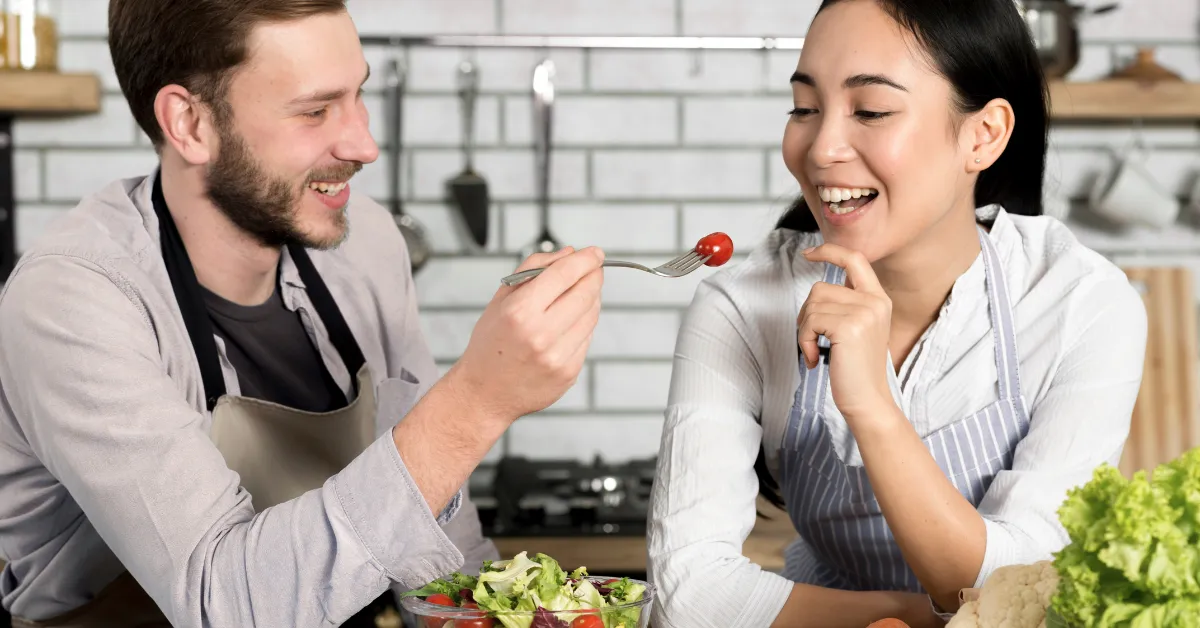
GLP-1 and the Five Senses of Eating are reshaping how people relate to food — not by restriction, but by awakening the body’s natural cues for satisfaction through sight, smell, taste, touch, and sound.
GLP-1 (glucagon-like peptide-1) is a naturally occurring hormone that supports fullness, digestion, and balanced eating. When paired with five-senses eating (a sensory-based approach that helps you slow down and fully experience your meal), it creates a fuller, more rewarding relationship with food — building awareness around how you eat, not just whatyou eat.
For those exploring a mindful lifestyle, visit YEVO Society for more holistic wellness practices.
1. Sight: Visual Satisfaction and Appetite Awareness
Visual cues strongly shape appetite and meal enjoyment. Research shows that seeing colorful, balanced food increases reward signals in the brain and enhances the perception of fullness. Pairing this with GLP‑1’s role in slowing digestion allows the body to recognize satisfaction earlier.
Tip: Plate meals with contrast and color. Smaller plates and mindful presentation can make eating more intentional — a concept we highlight often in YEVO Society’s Mindful Eating Guide.
2. Smell: Aroma and the Anticipation of Food
The scent of food activates pathways in the brain that anticipate flavor and satisfaction. Studies note that olfactory stimulation enhances satiety and supports slower eating, aligning naturally with GLP‑1’s appetite‑regulating rhythm.
Tip: Before taking your first bite, take a slow breath and notice the aroma. This small practice deepens awareness and reduces the rush to eat quickly.
3. Taste: Enhancing Flavor Awareness through GLP‑1 Support
Taste satisfaction is not just about flavor intensity — it’s about presence. GLP‑1 supports a balanced pace of eating, allowing time for your taste buds to fully process and enjoy diverse flavor profiles.
In fact, mindful tasting may enhance perceived sweetness and reduce overeating.
Try this: Identify the five basic tastes in each meal (sweet, salty, sour, bitter, umami). Slowing down and naming each one enhances appreciation and supports portion awareness.
4. Touch: The Role of Texture in Satisfied Eating
Texture adds to sensory variety and pleasure. The contrast between crunchy, creamy, and crisp textures activates tactile satisfaction in the mouth — an often‑overlooked part of fullness.
By eating more slowly and noticing each texture, your GLP‑1 signaling has time to activate, reducing the likelihood of overeating.
Tip: Include combination textures — such as creamy oatmeal with roasted nuts or smooth hummus with crisp veggies — for balanced sensory satisfaction.
5. Sound: The Subtle Sense that Shapes Mealtime Calm
Sound doesn’t just affect emotion — it shapes how food tastes. Crunchy textures or relaxing background music influence sensory focus and satisfaction.
When GLP‑1 supports slower digestion, a quieter environment helps you align body rhythms with hunger and fullness cues.
Tip: Eat in silence or with gentle music. Reducing noise distractions improves focus and enhances enjoyment, as explored in our YEVO Society Mindful Meal Ritual Program.
Mindful Eating and GLP‑1: A Five-Senses Synergy
Emerging research shows that GLP‑1 plays a central role in appetite regulation, slowing gastric emptying and promoting natural eating balance. By integrating this balanced biochemical rhythm with five-Senses mindfulness, meals become more satisfying — without needing “more” to feel complete.
Together, GLP-1 and the five senses of eating create a powerful partnership — where eating becomes an act of discovery, not deprivation.
Practical Steps to Engage All Five Senses at Every Meal
- Observe your food before eating — take in its colors, shapes, and presentation.
- Pause for aroma — scent enhances taste anticipation.
- Chew slowly to appreciate texture and flavor layers.
- Minimize distractions and focus on each bite.
- Reflect after eating — check in with your sense of fullness and satisfaction.
Consistently practicing these actions enhances both mindful awareness and GLP‑1’s natural rhythm of satiety.
Internal Connection: Living the YEVO Way
At YEVO Society, we believe wellness begins with awareness — not restriction. Explore more practical insights and lifestyle tips on the YEVO Society’s Wellness Blog, where we share articles on mindful nutrition, holistic well-being, and building habits that support balance, joy, and sustainable health.
The Takeaway: Eat Less, Enjoy More, Live Mindfully
GLP‑1 and the five senses of eating invite you to slow down, savor each bite, and listen to your body’s cues.
This approach transforms eating into a sensory experience that helps you feel nourished, satisfied, and connected.
By merging mindfulness with your body’s natural GLP‑1 support system, you rediscover the art of feeling full — not from quantity, but from quality.